Leave London in the morning and within two hours you can be standing on a village green, listening to the clink of teacups and the hush of wind through beech woods. The Cotswolds rewards both the first-time visitor and the repeat traveler, but its villages scatter across rolling hills and quiet B-roads. That is why guided tours, especially those led by seasoned driver-guides, make such a difference. They streamline travel, secure timed entries where needed, and get you into hamlets beyond the main coach circuits. I have led and reviewed dozens of London tours to the Cotswolds, from big-bus panoramas to private chauffeur days built around a bakery stop and a walk along a riverside footpath. What follows is a practical, judgement-led guide to the choices that actually work.
How far it is, really, and what that means for your day
The distance from Cotswolds to London varies because the Cotswolds covers a long sweep of Gloucestershire, Oxfordshire, and Wiltshire. From central London to Chipping Campden is roughly 90 to 100 miles, depending on your route. Bourton-on-the-Water sits about the same, Stow-on-the-Wold a little farther north again, and Bibury a touch east. On a clear run, driving time is 2 to 2.5 hours each way. Add London traffic at rush hour and village congestion near midday, and a realistic round-trip becomes 5 to 6 hours on the road. That time budget explains why London day tours to Cotswolds usually cap visits at three or four stops.
London to Cotswolds travel time shapes every decision. If you want stone-by-stone detail at a manor garden, choose an early private departure. If you want a sampler of several villages and time for fish and chips by the River Windrush, a small coach with a concise route is enough. For overnights, you trade the long same-day return for dawn walks through market towns before the buses arrive.
The best way to visit the Cotswolds from London
There is no single best way. There is the best way for your priorities. I tend to break it down by control, comfort, and access.
- Private chauffeur tours to Cotswolds: Maximum control, door-to-door. More expensive, but you can detour for a farm shop or a hillside viewpoint with a five-minute stop that big coaches cannot make. The best drivers also know where to park for short village walks and can adjust timing if you fall in love with a tearoom. Small group tours to Cotswolds from London: Usually 8 to 16 guests, minibus format, a fixed but thoughtful route. A strong trade-off between cost and fidelity. You get commentary, curated stops, and less time waiting for a large group to reassemble.
Both beat navigating by train and bus on a tight day trip, unless you enjoy logistics as part of the adventure. I have done the train to Moreton-in-Marsh then local bus to Stow, and it is charming, but you will feel the minutes slip away at interchanges. If this is your first or only Cotswolds day, a guided option saves time and friction.
London to Cotswolds by train and bus, if you prefer DIY
There are good reasons to go independently. You might be meeting friends in Oxford, or you want to do a long walk and end in a village that tours rarely reach. From London, the two most useful railheads are:
- Paddington to Moreton-in-Marsh: Direct trains take roughly 1 hour 35 minutes, often faster on limited-stop services. Moreton is within easy bus reach of Stow-on-the-Wold and Bourton-on-the-Water. On summer Saturdays and school holidays, buses can be busy, and timetables thin out late afternoon. Paddington to Kemble: About 1 hour 10 minutes. Good for Cirencester and south Cotswolds, though bus links are less frequent.
If you rely on local buses, check return times before you wander off a few miles on foot. A missed bus might mean an expensive taxi back to the station. Consider hiring a local driver-guide to meet you at the station for a half-day loop. That hybrid approach solves the last-mile problem and still uses the train for speed.
What counts as a good tour route
The Cotswolds looks compact on a map, but the prettiest lanes run slow, and parking near postcard-famous spots gets tight. The best tours of Cotswolds from London avoid a frantic checklist. They string together a few contrasting villages, build in a proper lunch window, and include one walk that takes you off the main street, even if just along a footpath to a churchyard with yew trees and a view.
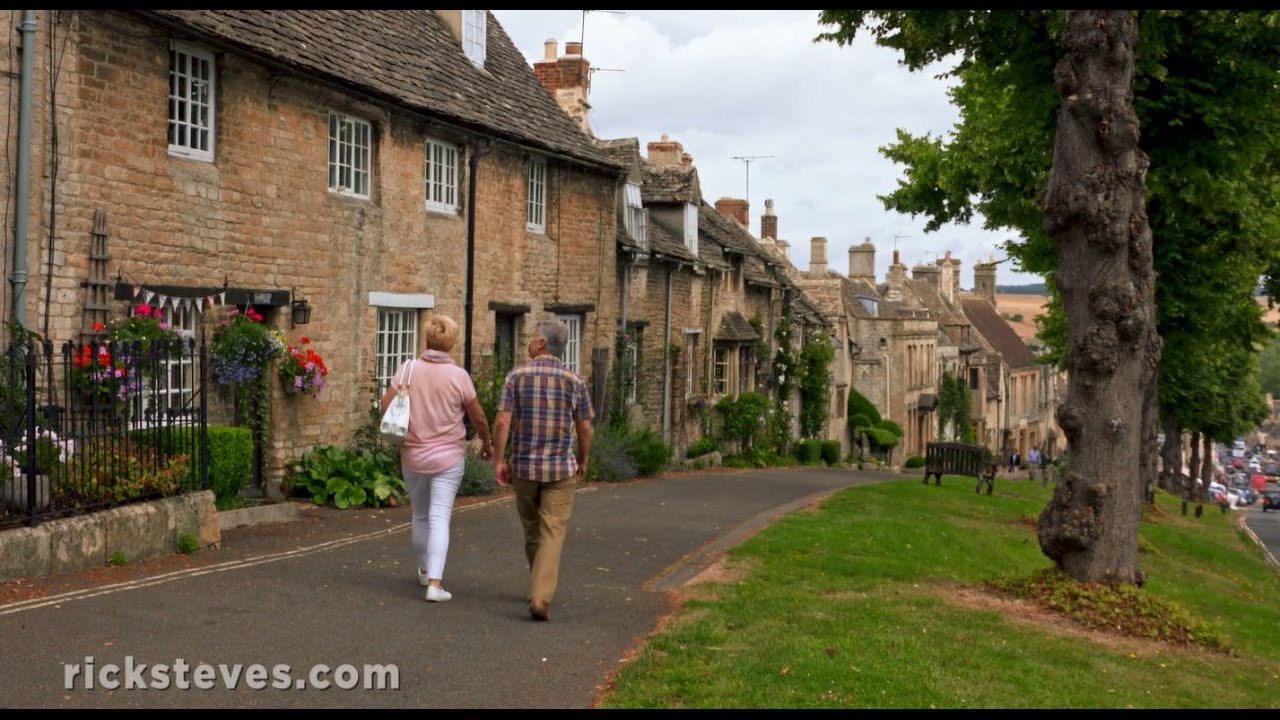
A classic London day trip to the Cotswolds often includes Burford for its sloping high street, Bibury for Arlington Row, Bourton-on-the-Water for the river and model village, and Stow-on-the-Wold for antiques and a wool church. That loop balances variety and drive time. Variants add Chipping Campden or the hidden Slaughters, where limestone cottages sit near a mill stream. On a small group tour, you might get a short stroll between Lower and Upper Slaughter on the Warden’s Way.
Coach tours to Cotswolds from London that also include Oxford or Bath trade depth for breadth. If you want spires and colleges, tours from London to Oxford and Cotswolds work, but you will get a quick hit of each. If Bath is the priority, tours to Bath and Cotswolds from London often give more time in Bath and one or two Cotswold stops. The sweet spot for the countryside is a dedicated Cotswolds day with three to four villages, not six.
Choosing between bus tours, small groups, and private drivers
Large bus tours from London to the Cotswolds keep prices down and guarantee departures year-round. They are good for solo travelers who want company and predictability. Downsides include slower boarding, less ability to deviate, and more time restricted to coach-friendly car parks. London to Cotswolds bus tour itineraries also tend to stick to the well-known spots, which are popular for good reasons, but expect crowds on Saturdays from May to September.
Small group Cotswolds excursions use minibuses that can take narrower lanes and park closer in. Guides have more flexibility to manage timing, drop you off at one end of a village, and meet you later at the other. The commentary tends to go deeper. For many, these are the best tours to Cotswolds from London on value and experience combined.
Private tours to Cotswolds from London cost more per person, but couples or families often find it reasonable when split across four people. You set the pace. If the morning light on Broadway Tower is the goal, your driver can time it. If you want bakeries, farm shops, a short walk across fields, and a pub with a fire, you can have that. I have used private cotswolds tours from london for guests with mobility concerns, early flight arrivals, or photography aims. The ability to adjust on the fly makes all the difference.
Combined days: Stonehenge, Oxford, and Bath with the Cotswolds
There is a strong market for tours from London to Stonehenge and Cotswolds, or Cotswolds and Oxford combined tours, and sometimes a Bath add-on. They work best if you accept shorter dwell times per stop. Stonehenge requires timed entry and has its own shuttle from the visitor center to the stones, so factor that overhead. A three-stop day of Stonehenge, Bibury, and Bath is ambitious but doable in summer with long light. For a calmer day, choose two of the three and save the third for another trip.
Cotswolds tour packages with Oxford and Bath often include a walking tour in Oxford led by a Blue Badge guide. If you value guided interpretation, those sessions add more than a quick wander. If you prefer free time, a small group setup that offers optional walks may suit you better.

Overnight tours and why they hit different
The best overnight tours to the Cotswolds from London feel unhurried. You reach a village after 5 pm when daytrippers have left, you wake early for a quiet high street, and you catch late afternoon sun on pale stone. With an overnight, your guide can layer in a manor visit like Hidcote or Snowshill, or a short segment of the Cotswold Way above Broadway. You can also add a farm-stay or an inn with a low-beamed pub that serves local ale.
Overnight Cotswolds tours from London also smooth out the risk of traffic. If an incident slows the M40 in the afternoon, you are not watching the clock for a hard return. Instead, you adjust the route, add a village, and arrive at your inn just in time for dinner.
What a strong day itinerary looks like
Departure matters. Early departures around 7:30 to 8:00 am beat outbound traffic and get you to the first village before peak hours. A realistic pattern is Burford for coffee and a quick look at the church and medieval tombs, then Bibury before the coaches, Bourton near lunch when the bakeries turn out hot sausage rolls, and Stow-on-the-Wold for antiques and a cheese shop. On a private day, add the Slaughters for a 25-minute stream-side walk. Leave the area by 4:30 pm to reach London around 6:30 to 7:00 pm, depending on where you are dropped.
One anecdote illustrates the value of timing. On a spring Saturday, we reached Bibury at 9:20 am, found the Arlington Row viewpoint almost empty, and left at 10:00 just as a convoy of tour coaches rolled in. That half-hour swing kept the day quiet. Your guide’s start time and stop order is not a trivial choice; it shapes your whole memory of the place.
The villages most first-timers love, and a few that reward repeat visits
First-timers usually prefer a spread that includes Bourton-on-the-Water, the so-called Venice of the Cotswolds, plus one hilltop market town like Stow-on-the-Wold or Chipping Campden. Bibury carries postcard appeal. Burford ties it together with a street that drops to the River Windrush, and a church that tells 800 years of local history.
If you have visited before, consider Painswick and the Rococo Garden in winter, Winchcombe for Sudeley Castle, or Minster Lovell for romantic ruins by the River Windrush. Naunton has a beautiful dovecote, and Snowshill offers a curious manor with collections that fascinate some and baffle others. On clear days, Broadway Tower pays back the stair climb with views that stretch across several counties.
What London to Cotswolds guided tours actually include
London tours to the Cotswolds vary, but most cover hotel pickup or a central meeting point, round-trip transport, a guide, and time in three or four villages. London to Cotswolds tour packages sometimes fold in a pub lunch or cream tea. Luxury Cotswolds tours from London may add a chauffeur-driven Mercedes, bottled water, and a concierge who books a private garden. Coach tours from London to Cotswolds keep inclusions simple, which helps keep the price down.
The fine print matters. Check whether entrance fees are included for optional sights. Most village visits do not require tickets, but if the tour bundles Blenheim Palace, Sudeley Castle, or a specific garden, look at the ticket policy. Also check average group size. “Small group” can mean anything from 8 to 24. An 8 to 16 seat minibus feels very different from a mid-size coach.
Walks, food, and seasonal rhythms
Cotswolds walking tours from London remain rare as full-day products because there is not enough time to do a long hike and a broad village sampler. If walking is your priority, book a private guide who can design a 90-minute circular route between villages with farm gates and time for a bakery stop after. Even short walks change the feel of the day. Ten minutes away from the main drag, the Cotswolds turn quiet fast.
Food is part of the point. In Bourton or Stow, rustic bakeries do proper pasties, sausage rolls, and scones. Pub lunches take time, often 60 to 75 minutes, which can be worth it on a slower itinerary or an overnight. On a one-day tour, I often steer guests to counter-service spots with seating, then find a quieter pub for an early dinner on the return or near the last stop.
Seasonally, June through early September brings the crowds, longer opening hours, and full gardens. Spring offers bluebells and lambs in fields, autumn brings beech woods gold, winter gives you clear light and empty streets. Christmas markets in Cirencester and Chipping Campden add sparkle, but daylight is short, so plan your route tightly.
London to Cotswolds train and bus options within guided frameworks
Some operators build hybrid days: train to Oxford, then a minibus into the north Cotswolds. That can cut road time out of London while avoiding local bus waits. It also fits with London walks oxford cotswolds style itineraries, where a guided stroll in Oxford precedes a countryside loop. If you are nervous about rail strikes, choose a fully road-based product with flexible rerouting.
Bus tours to Cotswolds from London and coach tours to Cotswolds from London tend to use the M40, cut across via Oxfordshire, and enter at Burford or Stow. Traffic around Oxford can slow things. A veteran driver will monitor conditions and sometimes detour through less obvious A-roads. Private chauffeur tours to Cotswolds shine on days like this, threading through scenic routes that larger vehicles skip.
How to tell if a guide knows the area
There is a difference between a competent city-based guide and someone who has walked the lanes in all seasons. Look for mentions of specific footpaths, pubs, and low-key attractions that do not always feature in brochures. Guides who bring you onto quiet back lanes to enter Bourton near the footbridge, or who park at one end of Stow to let you drift downhill into the market square, have done this many times. They will also know where the public loos are that spare you a café purchase just to use facilities, and which churches welcome respectful visitors during services.
Ask about contingency plans. If heavy rain blows in, a good guide shifts the mix: more time in a wool church or a manor, shorter outdoor stops, a café with a view. If heavy traffic clogs a main route, a savvy guide cuts a stop early to preserve the quality of the next one rather than shaving minutes everywhere and fraying the whole day.
Sample day plans you can adapt
Here are two compact patterns that match common preferences, designed to fit the London to Cotswolds distance and travel time without rushing.
- Classic villages loop: Depart 8:00 am from near Victoria. Arrive Burford 9:45, coffee and church visit. Bibury at 10:45, Arlington Row and the trout farm area. Bourton-on-the-Water by 12:15, lunch and river walk. Upper Slaughter at 2:00 for a short countryside stroll, then Stow-on-the-Wold 3:00 for shopping and tea. Leave 4:30, back in London by 6:45 to 7:00. Oxford and north Cotswolds: Depart 7:30. Oxford 9:00 to 11:00, a guided college area walk and free time. Chipping Campden 12:30 for lunch and the Market Hall. Broadway Tower 2:00 for views, Stow-on-the-Wold 3:00. Depart 4:30.
Tours of Cotswolds from London using these structures rarely feel rushed if the group is punctual and the guide keeps a steady pace.
Price ranges and what they buy you
Affordable Cotswolds tours from London on large coaches can start around the price of a theatre ticket, especially midweek in shoulder seasons. Small group options usually sit in a middle band, reflecting the cost of minibuses and better parking access. Private tours scale with vehicle class and driver-guide expertise. Luxury Cotswolds tours from London add amenities, hotel pickups, and often curated dining. You are buying time and access more than spectacle; the villages remain the same limestone and slate. The difference is how and when you reach them.
London to Cotswolds trip planner: timing, packing, and expectations
A well-run day hinges on small choices. Wear comfortable shoes with some grip, since village lanes can be slick after rain. Pack a compact umbrella or a light waterproof, even in summer. Book tours that depart early to beat traffic and secure calm streets at the first stop. If you crave photos without crowds, tell your guide upfront. If you build in shopping, do it at the end of a stop, not the start, so you do not carry bags through every lane.
For one day tours to Cotswolds from London, give yourself a buffer on evening plans back in the city. A 7:00 pm show is risky if you return around 6:45. If you must make a time, choose a private tour with a firm drop-off plan. If you are pairing with Stonehenge or Bath, understand that each extra stop trims minutes everywhere else. Decide what you want to remember most and weight the day accordingly.
A note on sustainability and local etiquette
The Cotswolds is a living landscape. People work and raise families behind those honeyed walls. Keep to paths, respect private drives, and lower your voice near churchyards. If you walk between the Slaughters or along a public footpath, close gates behind you. Buying from local bakeries and shops helps keep the high streets vibrant. Good guides model all of this, and the countryside feels better for it.
When to book, and what sells out
Spring weekends and summer Saturdays fill fast for small group and private departures. Peak lavender season around Snowshill brings extra demand, as do bank holidays. Book two to four weeks ahead for small groups in high season, longer for private chauffeur tours to Cotswolds if you want a specific guide. Shoulder seasons, March to April and late September to October, often give the best mix of availability and atmosphere.
Final advice from the road
I have lost count of how many London trips to Cotswolds I have led or joined, but a few themes recur. The day breathes better with fewer stops and longer stays. Early arrivals change everything. A short walk on a footpath leaves a stronger memory than ten minutes in a souvenir shop. The best tours build around those truths.
Whether you choose bus tours to Cotswolds from https://zanehlkd183.theburnward.com/cotswolds-full-day-guided-tour-from-london-a-complete-guide London for simplicity, a small group for balance, or a private driver for flexibility, align the route with how you like to travel. If you are a morning person, go early and linger over lunch. If you love history, add an Oxford segment or a manor house. If you crave scenery, ask for a lane that runs the ridge above Broadway, or a detour to a viewpoint the big buses cannot reach.
London to Cotswolds guided tours are not hard to find. The art lies in picking the one that matches your pace, your curiosity, and the season. Do that, and the journey from London to Cotswolds England becomes more than a day out. It becomes a set of small, quiet moments you will keep: sun on limestone, a bell tolling midday, the sound of boots on a wooden bridge over clear water, and the steady voice of a guide who knows when to speak and when to let the countryside do the talking.